Many people have commented that we need water wings or scuba gear for this trip. While it is entirely true that we have commented about the rain, it is not a continuous thing. It just seems like the adventures have been happening around it.
A quick recap:
USA – ten minutes of rain while we are at a gas station.
Mexico – 2 minutes while at a market and a great thunderstorm, while in the comfort of a room with a great view.
Guatemala – maybe an hour, can’t remember where.
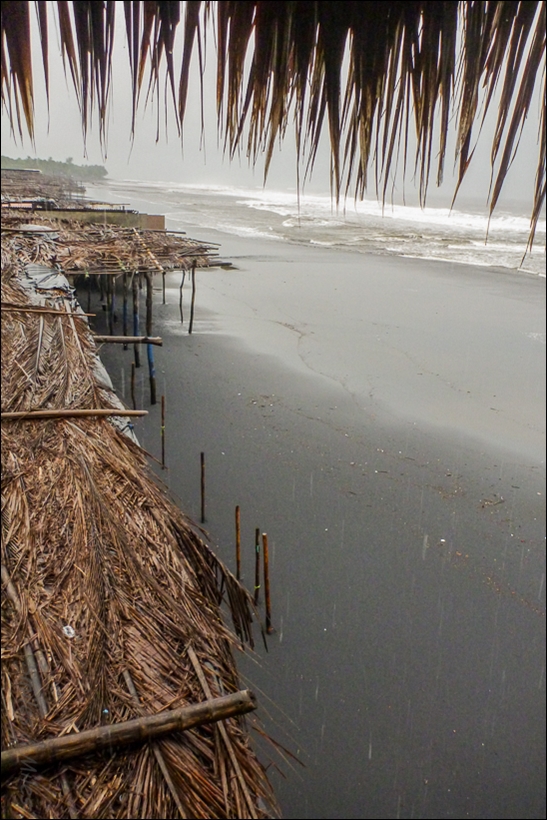
El Salvador – rained just as we got our hotel sorted in La Libertad. Rained hard the next morning all the way to the Honduras border.
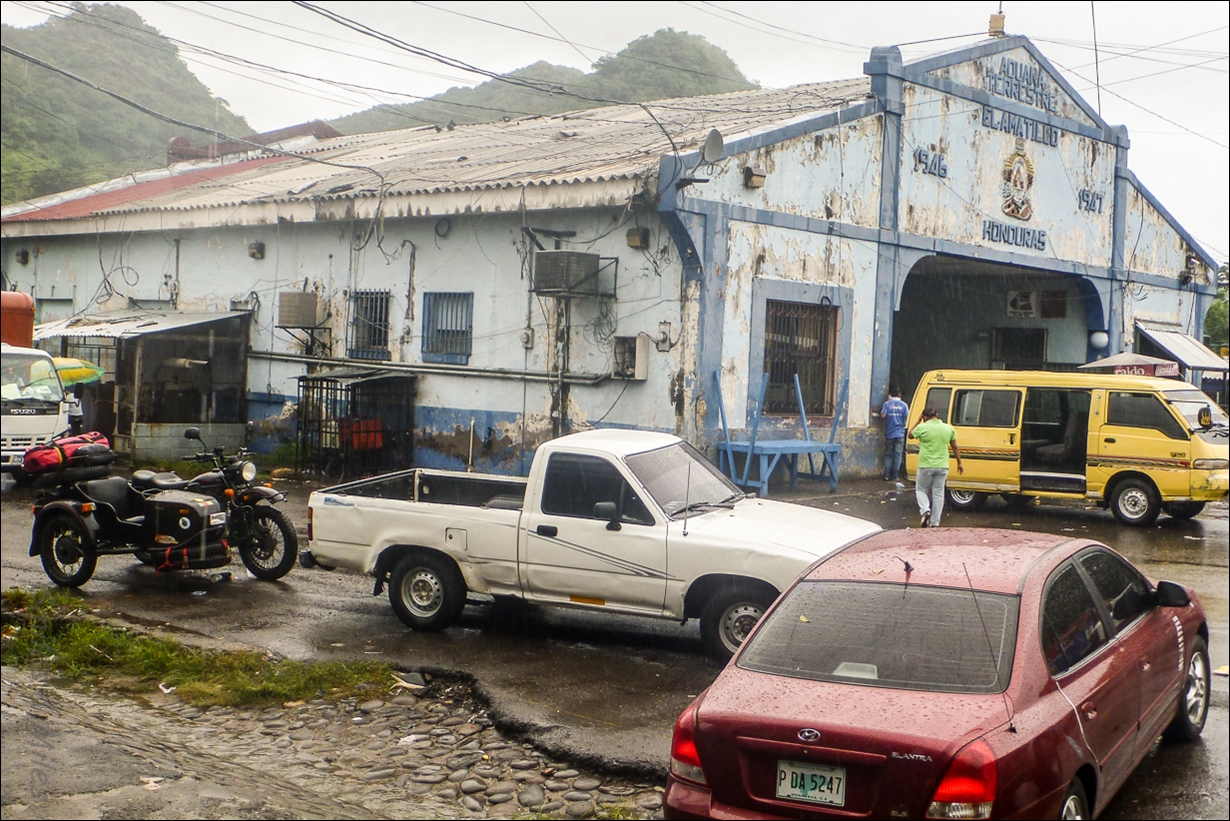
Honduras – rained at the border then cleared up.
Nicaragua – Rained as we came into Leon.
Costa Rica – rained at the border, then again as we entered La Fortuna. Rained big-time from San Jose to just before the Panama Border.
Panama – rained a bit at David.
So looking back we actually only got good and wet a couple of times. The side benefit is that it is usually very light and usually still a hundred degrees outside. We probably could have stayed dry in most places by choosing to get a hotel a bit earlier or lunch a bit later.
In ten thousand kilometers it is amazing that we have only really been caught in one big storm – in Costa Rica while climbing out of San Jose, heading over the mountains and toward the ocean. (Incidentally, this is where we saw a perfectly good jetliner parked beside a river in the jungle. No idea how it got there or why!) The flooding in Nicaragua was caused upstream from where we were, so we got wet from the bottom up on that one.
The rain that I encounter during my commute from Calgary to Red Deer every week is a lot more unpleasant!
We are still laughing. We knew this was the rainy season and it has actually been far less unpleasant than we were prepared for. The Ural continues to allow us an opportunity to experience our world through the smells, the sights and the smiles of the locals.
Oh, I have stopped chastising Tracey for bringing her hair dryer – I have been using it to dry my boots out!
Entering Costa Rica, it is immediately obvious that this country is different from most of the others in Latin America. In a region of the world historically plagued by internal strife and civil wars, Costa Ricans are proud, peace-loving, and have no army. Roads are in good shape, homes are water-proof and have floors made of something other than earth, and shops carry more than the basic essentials. And that is only what we notice in the first half hour.
Over the course of the afternoon and early evening, Miles tackles a rough, muddy, partially flooded road taking us along the northern shore of Lake Arenal to the tiny farming community of La Fortuna where we arrive a couple of hours after dark. Another sign of the country’s prosperity arrives as I begin to search for a place to stay. We are surrounded by swanky resorts. After using my best negotiating skills, I come up with a rate of a mere $75 per night (half the usual rate). This seems absurd now that we have become accustomed to decent accommodation for under $20. We continue the search. Miles spots a hotel that he somehow senses is the place for us. He’s right. Pulling into the driveway, we are greeted by the biggest smile we have seen in days. Miles develops an immediate rapport with this hotel-owner and the two of them quickly negotiate a price of $21 per night including breakfast. Seems like a deal.
We enjoy dinner at the hotel restaurant, sharing a bottle of wine and some fun conversation with our host, Florian. He barely speaks English but is eager to learn. Our Spanish is really quite pathetic but Florian is very patient with us. We have quickly gained an affection for this warm and welcoming man who has made us feel very much at home. He quickly taught us the expression “Pura Vida!”,Costa Rica’s unofficial slogan. Over the next few days, each time that we ask Florian how he is doing, “Coma estas?”, his response is always, “Pura Vida”. This is symbolic of the easygoing nature of this country’s people, politics, and personality.
Before retiring for the night, we undertake the challenging task of laying out all of our gear to dry. Miles’ feet have been treading water in his boots for hours and my gloves are beginning to grow mold. We use every possible hanging spot in the room and then sleep in dense humidity as we are surrounded by wet clothes, boots, and bags.
In the morning, we are blessed with sunshine and head into town visiting the central plaza, Catholic church, and some unusual shops. When it’s time to head out, we find our Ural parked in by a van. There is nothing to do but enjoy a cold drink while we wait. “Pura Vida!”
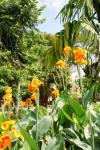
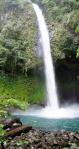
Now we are off to the Rio Fortuna Waterfall. As we head into the lush rainforest, I am hoping to see some of Costa Rica’s famed flora and fauna. I’m certainly not disappointed. During our hike down a steep path to the waterfall, we spot spectacular flowers and a tremendous variety of plant life spreading from the forest floor to the tops of the canopy. The trunks of the tall trees are hosts to all sorts of vines and bromeliads and other plants grow out of every crevice. Although we hear plenty of bird and animal noises nearby, we don’t spot any wildlife – other than several people enjoying a swim at the base of the waterfall.
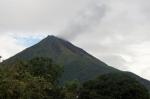
On awakening the next morning, we enjoy the hotel’s amazing view of the Arenal Volcano. This is one of the world’s most regularly active volcanoes with frequent powerful explosions sending cascades of red-hot lava rocks down the volcano’s steep slopes. What we didn’t realize until arriving here is that the top of the volcano is almost always obscured by cloud and fog, so unless you embark on a dangerous climb, you are unlikely to see any of the activity. But on this clear morning we were lucky enough to catch a rare view of the top of the volcano spewing smoke from the hot lava rocks within.
Florian and his wife bid us a fond farewell with a final and enthusiastic “con mucho gusto”. We head south and into Talamanca Mountains. Reaching higher altitudes, we are once again driving through cloud forests where we face steep climbs, pouring rain and avalanches. But we make it through and in the western foothills, we arrive at our home for the night, San Isidrode El General. The next morning we are off again and heading south on a route that follows the Pacific Ocean. Despite the heavy rains, we enjoy views of the lushly forested mountains tumbling into the Pacific. On the banks of the many rivers flowing into the ocean were mangrove forests and swamplands and we watch pelicans and herons flying above, feeding along the silted banks, and nesting high in the canopy. A fitting end to our time in this eco-rich land.
Tracey
This slideshow requires JavaScript.
SONY DSC
Hundreds of Smiles and Miles stickers laid out to dry.
Lesson One: The best way to improve our Ural’s braking ability is to leave a wet towel hanging off the back to dry, allowing it to drop into the driveshaft while zipping along. Stops the bike much more quickly than the brakes. There is a side benefit as well – a nicely polished driveshaft.
Lesson Two: The world is full of information, sometimes accurate and sometimes not. Honduras is a country we were warned about by every fellow traveler- military shakedowns for money, corrupt police, and unfriendly people. Nobody seemed to have a good story to tell. Well, some lessons you just need to learn for yourself.
We were leaving town one morning when two motorcycle police pulled in behind us. They began to follow us and eventually slowly passed us on the right, continuing down the road. My spidey senses started to tingle. I made a quick detour for unnecessary fuel… eventually, we pulled back onto the road and continued…about two kilometers down the road on a blind bend with jungle on both sides, a motorcycle was parked across our lane and two policemen lay in wait for us…one of them motioned us to stop and we thought the gig was up…slowly he looked around and approached us…. he extended his hand to mine and said “Welcome to Honduras! We just saw you back there and wanted to tell you to have a safe trip and enjoy our country” Then he went around to shake Tracey’s’ hand and we were off. This same scene was repeated less than an hour later with the same results. Honduras treated us well.
Lesson Three: When the rains come – make tracks. As the tropical storms battered the countries in different ways we learned to keep going. Other travelers chose to wait. Waiting allowed the water to build up – with bad results. We drove over many landslides, including one while it was happening. Being stuck on the wrong side, when there is only one road leads to…. being stuck. By shifting our routes and plans to take advantage of good spots of weather, we were able to be rained upon but always continue. As we learned later, other travellers were stuck for as much as 5 days in various places due to ‘waiting it out’. Waiting it out means waiting until December.
Our biggest ongoing lesson is still ‘people are people’. Guarav Jani, the Indian film maker, said to us one time “Reach out with your hand, put it on the other person’s chest and feel their heart – it is the same beat as yours. That person is not a newspaper or a government. That person is the same as you.”
We are reminded of the power of his statement every day, it is a message we will always carry.
As we continue our drive toward Leon, the devastation of the flooding becomes very obvious. Even in the fields that were not immersed in water, there is tremendous damage to crops. This will be particularly devastating to Nicaragua, the poorest country in Central America. The country’s economy is overly reliant on agriculture and with the corn harvest underway this flooding could not happen at a worse time.
It is particularly difficult to witness this devastation in a country with such a tumultuous history: hurricanes, earthquakes, volcanic eruptions, war, poverty, crime and corruption. The country seems to be continuously brought to the brink, but continuously it fights back. In the coming days, we will learn that the rain we are experiencing is beyond the ordinary for this time of year and has caused severe flooding in Guatemala, El Salvador, Honduras, Nicaragua, and Costa Rica. It is possible that the worst road conditions we will face are still ahead. There are reports of fatalities and entire villages being evacuated. We have seen that it doesn’t take a full-blown hurricane to tear up these poor mountainous countries.
As we head down the road, the sun does come out, but only for a short time before we are once again donning our rain gear. We are headed to the historic city of Leon, the dusty bullet-scarred city which was once the capital of the nation. It lost its title in 1852, but has been at the forefront of Nicaraguan politics ever since and was a focal point during the Sandinista revolution – an event that we would soon learn a lot about.
Driving through Nicaragua, it is hard to avoid the smiling face of the incumbent president, Daniel Ortega. He is everywhere. It feels more than a wee bit like Big Brother is watching. Posters proclaiming his loyalty to the people are stationed on government buildings, roadside monuments, and even trees. Each time we see a television, there he is. I imagine that this extreme publicity is due to the upcoming election, bet even with an election, this was over the top. I had to learn more about this man. Word is that he is an ex-bank robber but he did also became a veteran Sandinista leader. On becoming President, he refused to occupy the new Casa Presidencial, calling it a symbol of the opulence of the previous administration. This actually seems like a noble move to me, but we learn that such moves are not proving popular, as Nicaraguans are more concerned about where they will get their next meal than with the posturing of the President. I’m curious to see how Ortega will make out in the election.
Nicaragua’s real hope lies in its people, and despite the nastiness of everyday politics, it appears that democracy is here to stay, as is the relative freedom of speech that it entails. Nicaragua may still be the second poorest country in the Western Hemisphere, but their people are well-educated and intent on improving their lot, as we are soon to witness.
Continuing our tour of Nicaragua and approaching Granada we see a line of shiny motorbikes accompanied by their smiling, laughing riders. We can’t resist stopping to see what they are up to. The group welcomes us with open arms and we enjoy sharing stories of our travels, exchanging information on our bikes, learning about the club’s message of peace, and becoming somewhat educated on the country’s past and present politics. This group is gathered to prepare for a parade. Nicaragua’s Vice President is heading toward Granada and the group will be part of his supportive escort into the city.
I never expected to see these two images sharing space.
Caught up in the fun and positive energy, before I know it the group has me waving the Nicaraguan flag and preparing to lead the parade. We are overwhelmed with the enthusiasm of this group and their excitement in having us join in their celebration. Minutes later, we are positioned to lead the Vice President and his supporters on their grand entrance into Granada.
Leader of the pack.
As we sit waiting for the Vice President’s approach, the reality of what we are doing begins to sink in. My mind is recalling the numerous pieces of advice I had read from the Government of Canada about how to stay out of trouble in foreign countries. At the top of the “Things Not To Do” list is “participate in political rallies”. Any gatherings, particularly of a political nature are to be avoided under all circumstances.
As much as we are enjoying the company of this great group of fellow riders and wish them the best in spreading their message of peace, we recognize that participating in a parade in support of a political figure who we know virtually nothing about is really not the smartest move. Not wanting to let the group down, we lead the parade for a short while, pull off to take some photos, then let the Vice President and his supporters roll into Granada without us as we head further south toward Costa Rica, grateful for the warm reception and lessons learned.
We’re rolling down the road in Guatemala, heading toward the El Salvador border, and Tracey comments again on the fabulous roads, the smells, and the scenery. The road is bordered by huge shade trees and flowers fill the ditches. The road itself is a great gently curving country drive that puts us in a very peaceful mood – a great start to the day.
The border crossing is again very simple and the officials are happy to zip us through the process and get us on our way. More great roads await! El Salvador’s’ coastal road winds along spectacular beaches continuously hit by huge surf. The road dashes back into the mountains just to give us an up-close view of the volcanoes.
El Salvador is a wonderful, cheap and friendly place that will require a second visit, but now the clock is ticking and we simply aren’t able to spend as much time here as we would like. We hit the tail end of a tropical storm in Guatemala and a second one is on its way and causing huge problems on our future route.
The view from our hotel in El Salvador.
Crossing the border from El Salvador into Honduras.
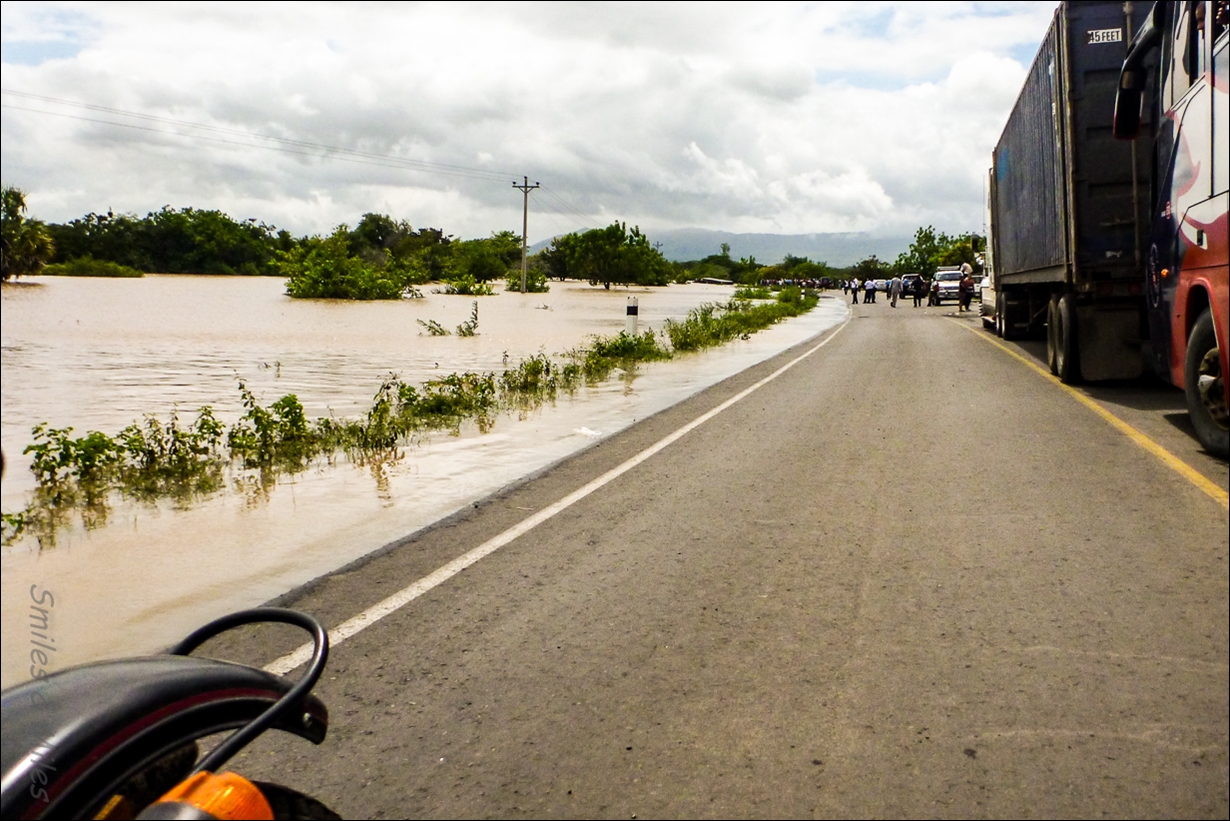
After a quick three-day tour of El Salvador and Honduras, we arrive in Nicaragua to learn that the highway has washed away and we can not get through.
Making our way along the flooded road.
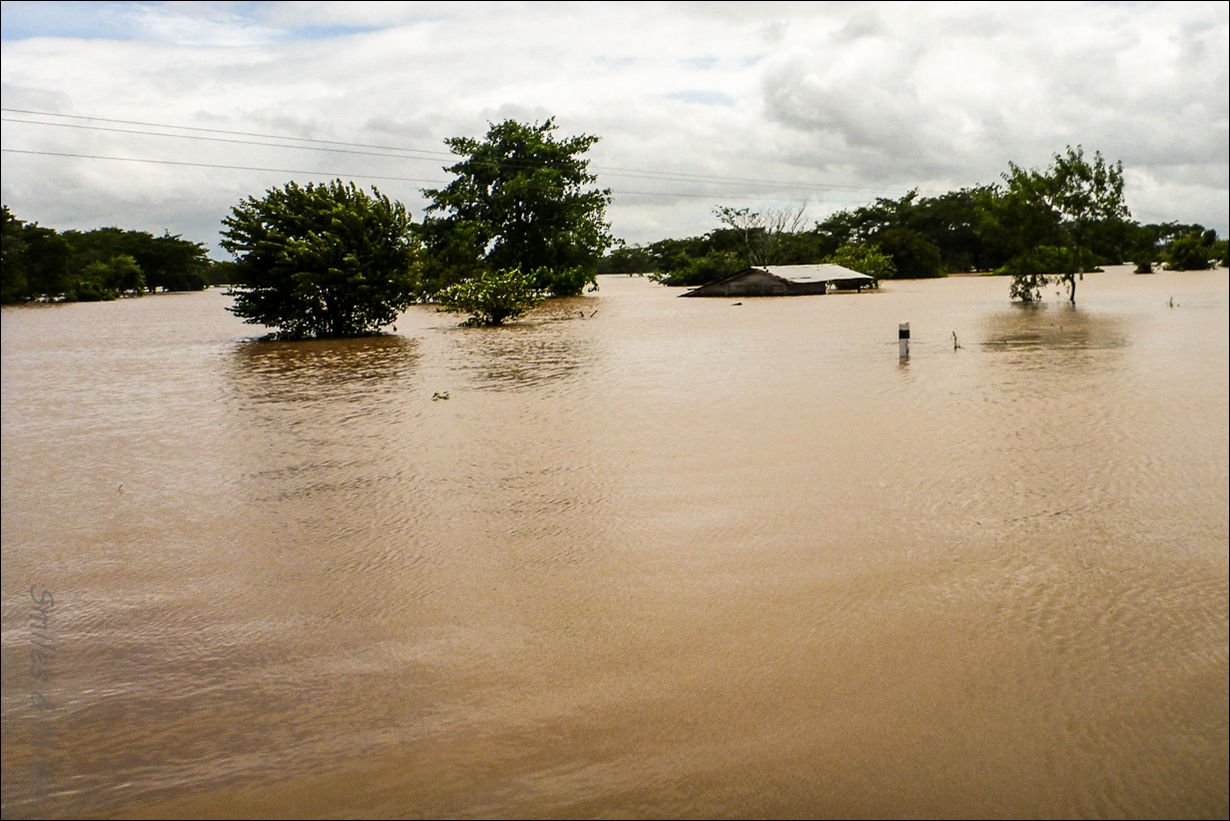
The officials stop us – “No puede pasar“. We can’t continue on the road, but we offer ”Hey, can we go up and take a picture?” “No problemo”. We work our way along the road as water floods up to the highway on both sides. It is a disheartening experience to watch this already poor population having their homes and only possessions under water and to see their animals wandering hopelessly along the road.
Homes under water.
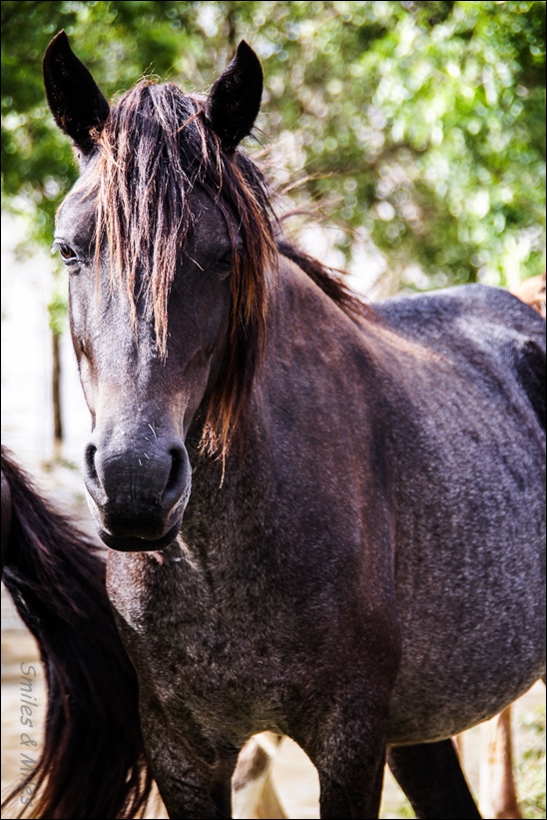
Horses trying to find dry footing.
People continue to stop us and tell us to go back. We persevere.
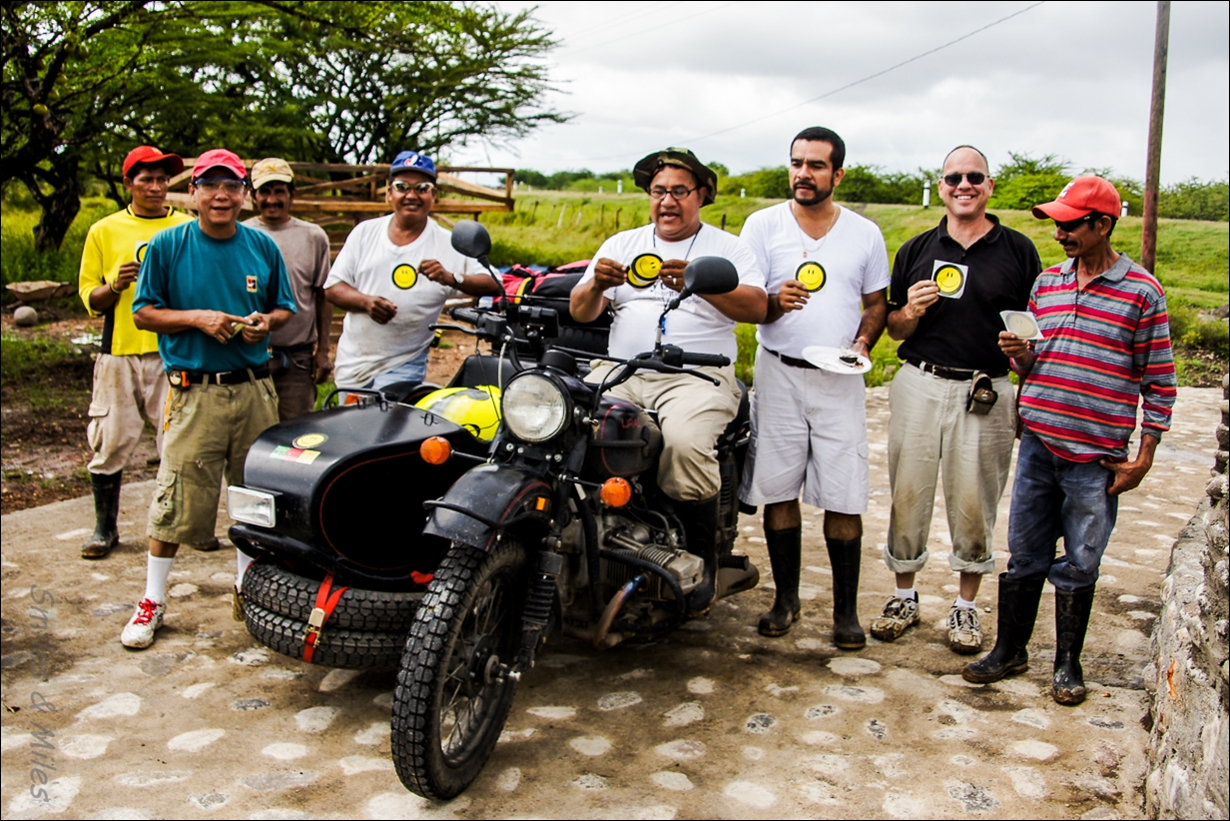
Finally a local missionary group stops us to say the road is blocked just ahead and invites us to join them for lunch. A great lunch of fresh shrimp followed by an enlightening philosophy discussion. We are continually impressed by how people are dedicating their time, skills and lives to help countries in need. Thanks to Dave Pulzetti and the crew from Beyond Partnership for welcoming us and sharing your knowledge of Nicaragua.
The crew from Beyond Partnership.
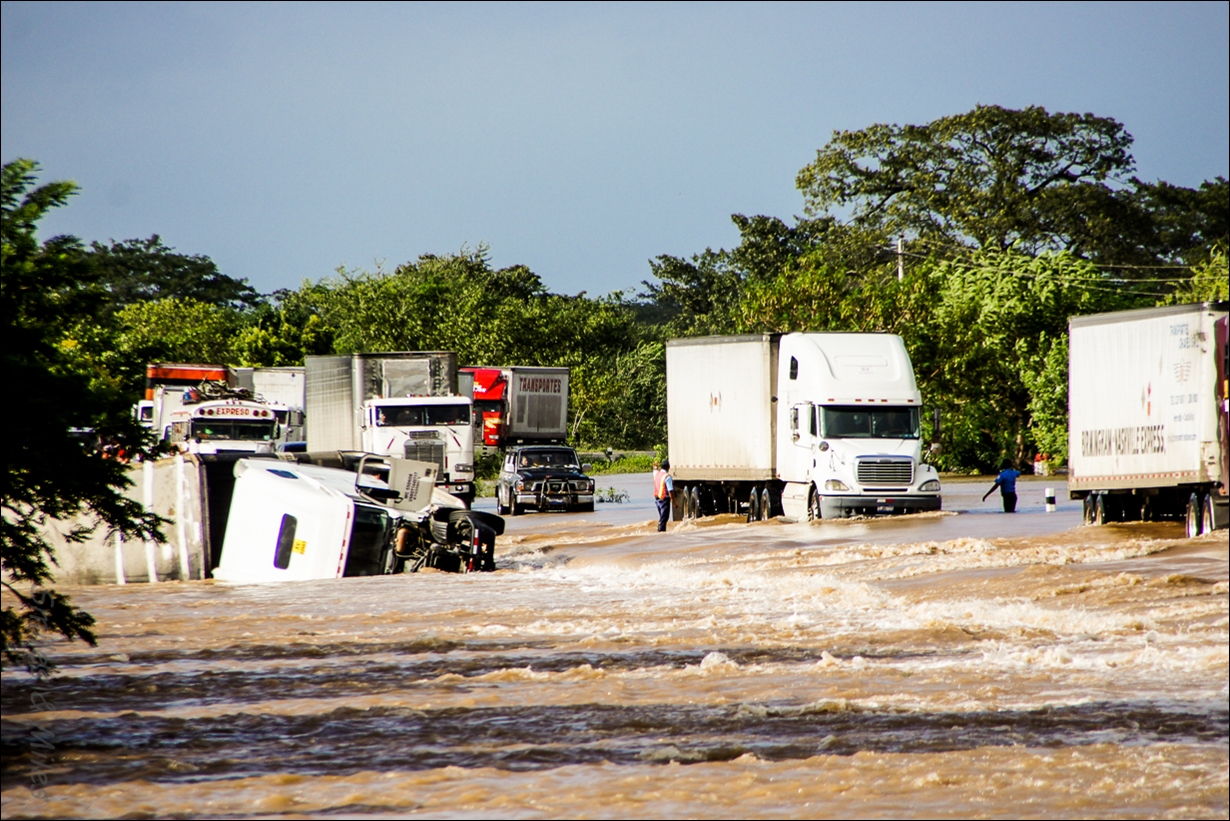
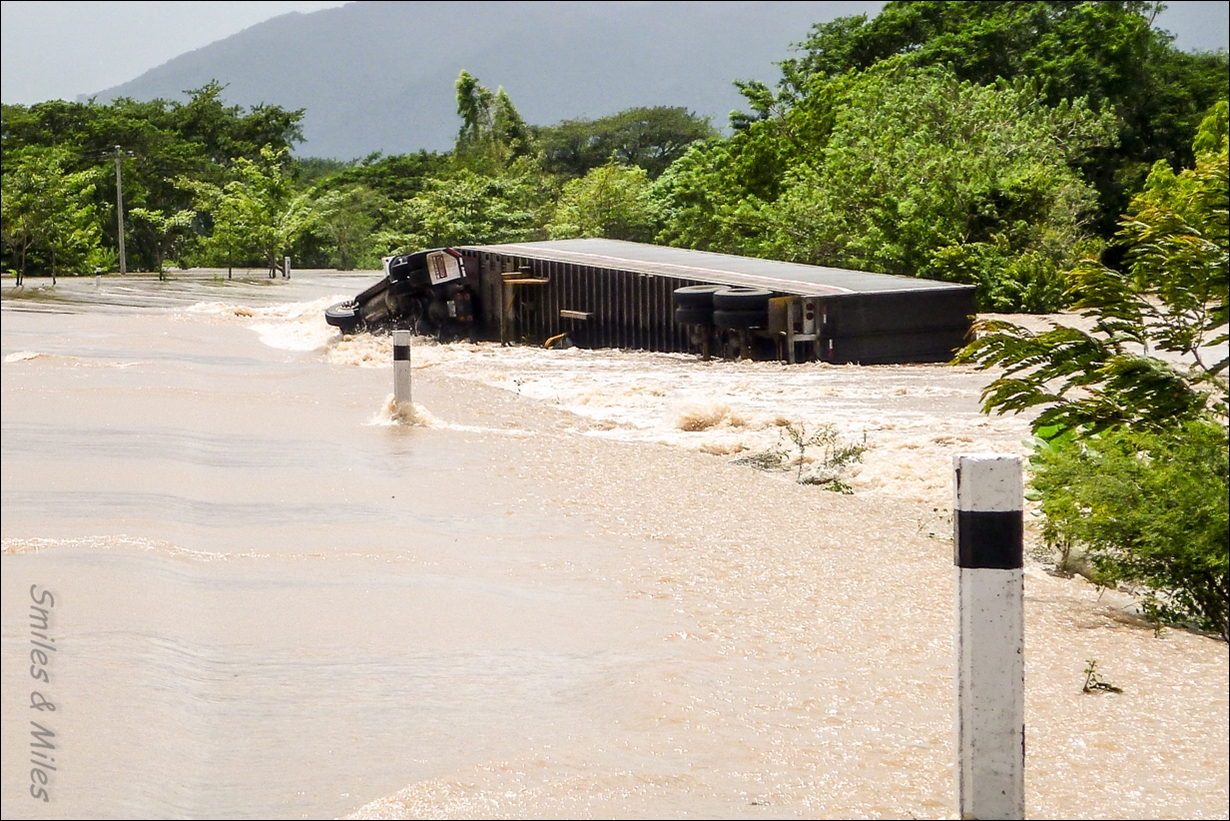
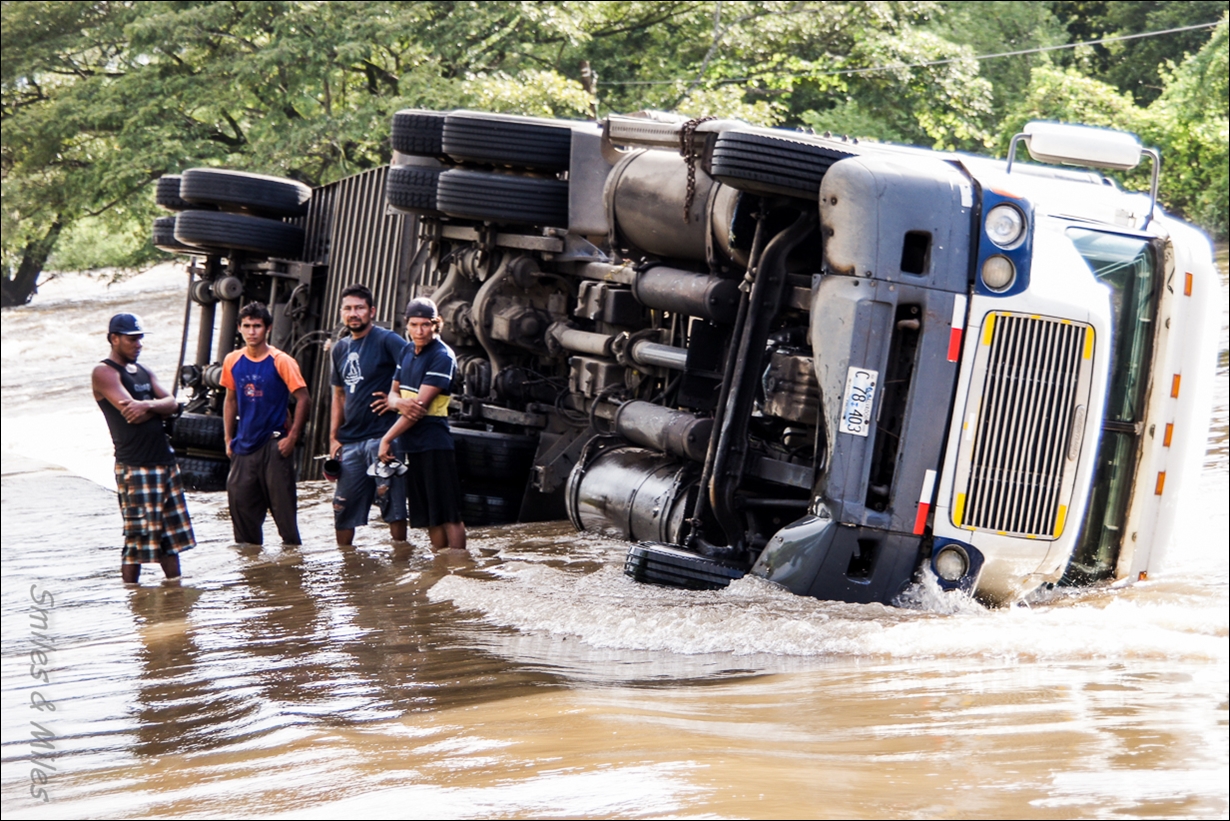
After lunch, our challenge begins in earnest. Water floods across the road and our first sight is of a full-size semi and trailer on its side, pushed off the road by the current, water rushing around and through it. The army is there, as well as curious villagers, stranded trucks, the odd bus, and now us……….
Driving to the starting point of the road closure, we notice a semi truck with a flat deck trailer waiting to get through. Guess where this story is going? In my ‘poco’ Spanish I convince the driver to let us lift the Ural onto the trailer – and make a run for it through the invisible road. He agrees, for a cost…. A whopping four dollars. Ten local villagers help us lift the bike onto the trailer, and some hop on themselves.
We make our way aboard a flat-bed trailer.
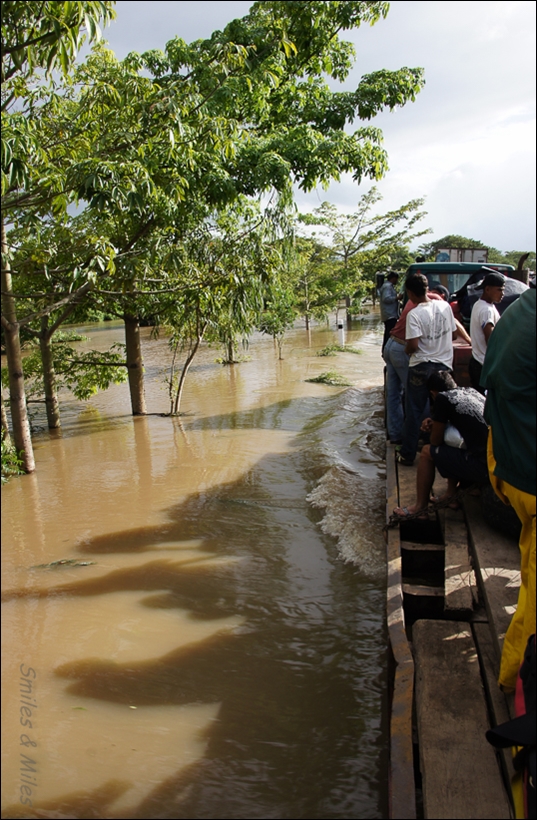
Tracey hanging on as we make our way through the deepening water.
Our truck tentatively approaches the edge of the water. Two army soldiers in a commandeered local tractor probe the road ahead and lead us across a flood plain where there is nothing to see but treetops and covered homes. The water has washed away the edges and sometimes the entire lane of the road and created instant rapids and holes deep enough to swallow vehicles.
The road washing away beneath us.
We come to a guard rail sticking out of the water and realize that it is actually the railing of a bridge; the river is high enough to have covered the bank and the bridge. We pass a stranded ‘chicken bus’ and another semi on its side – this would continue for almost eight kilometers before we reach higher ground over an hour later.
Trucks crawl along on the very questionable road as they pass others who didn’t make it through.
When we reach dry land, everyone in sight lends a hand to lift the Ural off of trailer and we are on our three wheels once again, and headed for Leon.








 Smiles & Miles